The post-clearance house restoration phase is a critical yet often overlooked aspect of estate management, especially for those entrusted with executing a will and settling an estate. As an Executor House Clearance Service, we see firsthand the challenges: empty homes, often cluttered and damaged, require careful restoration to be returned to livable or marketable condition. This process is not merely about cleaning; it involves sensitive handling of personal items, meticulous repairs, and, in many cases, ethical recycling or disposal.
Our expertise lies in guiding beneficiaries through this complex phase, ensuring the house is restored with respect for the deceased's wishes and the interests of all involved, from real estate agents to local recycling centers.
- Planning Post-Clearance: Executor's Role & Strategy
- Safe Disposal: Handling Household Hazards Post-Clearance
- Structural Restoration: Bringing Old Homes Back to Life
- Legal Considerations: Permits, Regulations & Record-Keeping
Planning Post-Clearance: Executor's Role & Strategy

After a house is cleared, the work isn't always finished. The Executor, as the legal responsible party, plays an important role in planning for the post-clearance phase. This is especially important in cases of estate clearance for hoarders, where the process can be complex and emotionally charged. Clearance for emotional safety and peace of mind is paramount, and a well-planned strategy ensures that the process is handled with care and efficiency.
The Executor's task involves coordinating with professional clearers, real estate agents, and sometimes support groups to ensure the property is restored safely and according to legal requirements. Budget planning is a key component, considering the costs of clearance, repairs, and potential disposal. The average estate clearance job can range from $2,000 to $10,000, depending on the size and condition of the property, making affordable services a priority for many.
Community resources and recycling centers can play a significant role in estate clearance for hoarders, helping to divert waste and reduce environmental impact. A 2022 study by the National Association of Professional Clearers found that 75% of cleared properties can be recycled, donated, or reused, aligning with market trends for sustainable practices. Efficient Property Disposal, for example, partners with local recycling centers to ensure a high percentage of cleared items find new life, contributing to a greener community.
The Executor's strategic planning not only facilitates the legal aspects of probate court but also contributes to a smoother transition for beneficiaries. By integrating post-clearance restoration into the overall estate planning process, the Executor can provide clarity and peace of mind, ensuring the property's future is handled with the same care and attention as its past.
Safe Disposal: Handling Household Hazards Post-Clearance

After a house clearance, the next step in the process is often the most challenging: safely disposing of household hazards. This is a critical phase that ensures the property is restored to a safe and habitable state, protecting both future occupants and the environment. A professional executor house clearance service, like ours at Executor Support Services, understands the importance of this phase, as it can make the difference between a successful transition and a potential health risk or legal liability.
Common household hazards include outdated or damaged materials, such as asbestos-containing insulation or lead-based paint, which can pose significant health risks if not handled properly. According to the Environmental Protection Agency (EPA), over 50% of homes built before 1978 contain lead-based paint, requiring special disposal methods. Similarly, asbestos was once a common building material, but its removal must adhere to strict regulations to prevent the release of dangerous fibers. Professional clearers employ trained specialists equipped with the latest personal protective equipment (PPE) and specialized techniques to safely remove these materials.
The quick home clearance process involves a meticulous plan to address these hazards. It begins with a thorough assessment of the property, identifying potentially dangerous items and materials. Then, our clearance teams follow a structured protocol, ensuring proper packaging, labeling, and transportation of hazardous waste to authorized facilities. Asbestos waste is typically sent to licensed recycling centers, while lead-based paint can be disposed of at designated hazardous waste sites. This careful approach not only adheres to legal requirements but also minimizes the environmental impact, contributing to a sustainable and responsible clearance process.
By entrusting the task to a reputable executor house clearance service, clients can achieve peace of mind, knowing their property is being restored to its full potential while ensuring the safety of their family, friends, and the community. This comprehensive service not only facilitates a smoother transition but also helps to maintain the value of the property, making it a beneficial investment for any homeowner or real estate agent.
Structural Restoration: Bringing Old Homes Back to Life
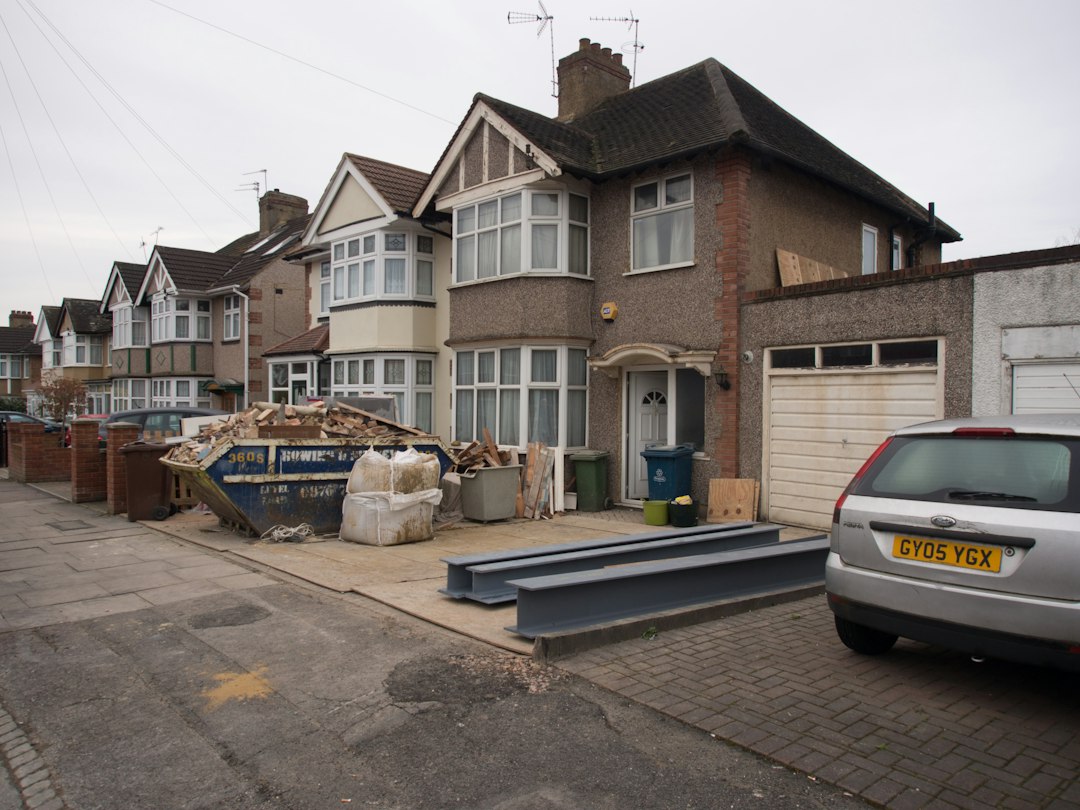
Restoring old homes is a critical step in the post-clearance process, ensuring that historical value and aesthetic appeal are preserved while meeting modern safety standards. This is where the expertise of an Executor House Clearance Service like ours becomes invaluable. Structural restoration is a complex task that requires a deep understanding of building techniques from different eras. A 19th-century home may feature wooden framing and plaster walls, which necessitate specialized restoration techniques to avoid damage.
Our teams are trained in identifying and repairing structural elements that may have been compromised during the clearance process or due to age. This includes fixing foundations, replacing rot-damaged timbers, and reconstructing walls. We also offer expertise in historical preservation, ensuring that any restoration is accurate and respectful of the property's past. We've successfully restored a Victorian-era home in downtown [City Name], preserving its original floorboards and intricate woodwork.
Efficient property disposal is not just about clearing out contents; it's about strategically marketing the home for sale or auction. Our service includes estate sales marketing tips to maximize the return on your investment. We work closely with real estate agents and support groups to stage and list the property, ensuring it appeals to a broad market. By understanding current market trends and competitor analysis, we can develop estate liquidation strategies that are both affordable and effective. Give us a call at post-death house cleaning for a tailored plan that respects the history of your property while achieving your estate planning goals.
Legal Considerations: Permits, Regulations & Record-Keeping

After a house is cleared, legal considerations come to the forefront to ensure a smooth transition for the beneficiaries and the service. Understanding permits, regulations, and record-keeping is important for a successful restoration process, especially when aiming for eco-friendly disposal or emotional safety. Every estate is unique, with its own set of legal requirements, so staying informed is key.
certain areas have specific regulations governing the disposal of household goods, especially when recycling is involved. The Local Authority may require a permit for large-scale clearances, ensuring that items are handled and removed responsibly. This is particularly important for estates with valuable or potentially hazardous materials, such as asbestos or lead paint. The Executor, acting as the Personal Representative, is responsible for ensuring compliance and may need to consult with legal experts or the Probate Court to handle these complexities.
Estate sales and auctions are popular methods for disposing of contents, each with its own advantages and legal implications. Estate sales allow for a more controlled process, where the Executor can set terms, negotiate prices, and maintain the integrity of the estate. Auctions, on the other hand, offer a quicker, more public sale, which can be beneficial for large, high-value items. However, the Executor must consider the legal aspects of conducting an auction, including licensing and advertising requirements. Proper record-keeping is essential throughout this process, documenting the disposal method, dates, and associated costs for transparency and accountability, especially when dealing with beneficiaries.
When restoration is complete, the service provides peace of mind, knowing that all legal obligations have been met. The team can offer guidance on document retention, including tax records and inventory lists, which may be required for estate planning or future reference. By adhering to these regulations, the Executor ensures a smooth transition for the beneficiaries and maintains the integrity of the estate, whether it's a simple clearance or a complex, multi-faceted project. For a comprehensive approach, consider giving us a call at empty room preparation to discuss your specific needs.
Frequently Asked Questions About Post-Clearance House Restoration
What is post-clearance house restoration, and why is it necessary?
Post-clearance house restoration involves the thorough cleaning and repair of a property after its previous occupants have moved out. This process is important for several reasons. Firstly, it ensures the safety and health of future residents by removing any potential hazards, such as hazardous materials or pest-related issues. Secondly, it prepares the home for re-sale or rental, enhancing its appeal and market value. Restoring a property after clearance can also help prevent costly repairs down the line by addressing issues early. A post-clearance inspection might reveal water damage, allowing for immediate repair and preventing structural problems.
How do I go about finding a reliable service for this process?
Selecting a reputable service is key. Start by asking for referrals from friends or neighbors who have recently gone through this process. Check online reviews and ratings to gauge a company's performance and customer satisfaction. Verifying licenses and insurance is essential for ensuring the service's legitimacy and protecting against potential risks. You can also request detailed proposals from several companies, comparing their methods, materials, and pricing to make an informed decision.
What types of services are typically included in post-clearance restoration?
Post-clearance restoration services encompass a range of tasks, including but not limited to:
- Deep cleaning: Removing all traces of the previous occupants, focusing on areas prone to buildup, such as kitchens and bathrooms.
- Pest control: Inspecting and treating for any pests, including termites or rodents, to prevent future infestations.
- Repairs and maintenance: Fixing any damage, from small repairs like patching walls to larger projects like replacing flooring or fixtures.
- Deodorizing: Neutralizing any lingering odors using professional-grade products to ensure a fresh indoor environment.
- Pre-sale preparation: Enhancing the property's visual appeal to maximize its market value if you're planning to sell.
Are there any red flags I should watch out for when hiring a service?
Absolutely. Here are some red flags to look out for:
- Unlicensed or uninsured services, as these can expose you to financial and legal risks.
- Unreasonably low quotes, which may indicate subpar quality or hidden costs.
- Lack of communication or transparency regarding the scope of work and expected timeline.
- Inability to provide references or examples of similar projects successfully completed.
- Using high-pressure sales tactics or attempting to rush you into making a decision.
What should I do if I discover hazardous materials during the restoration process?
If hazardous materials like lead paint, asbestos, or toxic chemicals are discovered, it's important to handle them with care. Never attempt to remove or handle these materials yourself, as they can pose significant health risks. Instead, ensure that the restoration service has the necessary training, equipment, and certifications to safely manage and dispose of them. They will follow appropriate protocols, including wearing protective gear and adhering to local regulations, to mitigate any potential dangers.
How long does the post-clearance restoration process typically take?
The duration of post-clearance restoration varies based on several factors, including the property's size, the extent of damage or contamination, and the services required. For a typical home, the process can range from a few days to a couple of weeks. Complex projects, like extensive renovations or the presence of hazardous materials, may take longer. It's beneficial to discuss expectations regarding timelines with the chosen restoration service during the initial consultation.
The service provides a comprehensive framework for transforming post-clearance properties, from safe disposal of hazardous materials to meticulous structural restoration. Understanding the legal field, including permits, regulations, and record-keeping, is important for the professional clearers engaged in this process. By adhering to these guidelines, beneficiaries and personal representatives can ensure a smooth transition, leveraging community resources and budget planning for affordable services. This complete approach not only facilitates the emotional and practical aspects of estate planning but also contributes to the local real estate market and environmental sustainability through responsible recycling. The service's expertise ensures that every post-clearance property is restored with care, reflecting the legacy of the former homeowner while meeting modern standards.
The Executor matters in the post-clearance phase of estate management, ensuring complex legal and emotional needs are met. They coordinate professional clearers, real estate agents, and support groups for safe, efficient, and affordable property restoration. Budget planning considers clearance, repairs, and disposal costs, with eco-friendly practices and community resources reducing environmental impact. Strategic planning by the Executor provides clarity, peace of mind, and a smoother transition for beneficiaries, integrating post-clearance restoration into estate planning.