The transition from a loved one's home to a vacant property can be emotionally taxing, especially when dealing with the complex legal and logistical aspects of house clearance. For executor-appointed individuals, the process can seem daunting, given the responsibilities of managing an estate and the emotional weight of letting go. Here, an Executor House Clearance Service steps in as a vital resource. These professionals provide not just a practical solution for clearing and preparing a residence for sale or other disposition but also a sympathetic ear during an otherwise stressful time. By employing a specialized service, beneficiaries can focus on honoring the deceased's legacy while delegating the intricate details to experts.
- Planning and Preparation for House Clearance
- Executing the Clearance: Efficient and Ethical
- Restoring the Property: From Empty to Vibrant
Planning and Preparation for House Clearance

Planning and preparation are important when handling the aftermath of a house clearance, especially for an Executor House Clearance Service. This stage involves more than just sorting through belongings; it's a critical step in the estate management process. The Personal Representative, acting as the Executor, must handle legal and logistical complexities, ensuring everything is handled in accordance with the Will and Estate Planning.
A meticulous pre-clearance strategy starts with understanding the legal framework. The Probate Court plays a key role, overseeing the distribution of assets as outlined in the Will. The Executor must be familiar with local probate laws and the process of obtaining a Grant of Representation, which is essential for managing the deceased's estate. In England and Wales, the average probate process takes around 8.5 months, with 4.4% of cases taking over 2 years. Early preparation can significantly speed up this process.
Eco-friendly disposal has become a significant consideration in modern estate clearance. The Executor should assess the potential for recycling, upcycling, or donating items, aligning with the late owner's wishes and current market trends. Electrical items can be recycled at specialized centers, while furniture in good condition might find new life through online marketplaces. Estate Sales Pricing Strategies are another key aspect; the Executor must decide on a pricing model that attracts buyers while maximizing returns. Collaborating with professional clearers and real estate agents who understand these nuances can streamline the process, ensuring a successful and sensitive clearance. Consider that, according to a 2022 survey, 72% of beneficiaries prefer a well-organized and respectful clearance process.
To prepare effectively, the Executor's Guide to Probate offers valuable insights. This guide should include a detailed inventory of the property's contents, any specific instructions from the Will, and a timeline for clearance. It's also beneficial to have support groups or professional clearers on standby, ready to assist with the physical aspects. By combining legal expertise, strategic planning, and a deep understanding of estate sales, the Executor House Clearance Service can ensure a smooth and efficient process, even in challenging circumstances. Estate clearance solutions specializing in these areas have reported a 25% faster clearance time through proactive planning and community resource partnerships.
Executing the Clearance: Efficient and Ethical

When executing the clearance process, the service like ours prioritizes efficiency and ethical practices. This is especially critical in situations involving estate clearance for hoarders, where specialized teams are needed to handle the complex and sensitive nature of these cases. Our professionals are trained to handle the legal aspects, understanding that the Personal Representative or Executor of an estate is responsible for ensuring all aspects of Estate Planning 101 are followed, including proper clearance and distribution of assets.
In a recent study, it was found that the average estate clearance process can take anywhere from 2 to 4 weeks, depending on the size and complexity of the property. We aim to streamline this process, recognizing that many beneficiaries, especially those facing the loss of a loved one, are eager to begin the healing process and move forward with their lives. To achieve this, we employ affordable services that remain accessible without compromising quality. Our team of professional clearers works diligently to organize, catalog, and dispose of belongings, from valuable antiques to everyday items, ensuring each piece is handled with care.
Clearance for renters presents unique challenges, as we must be mindful of the landlord's needs and the tenant's rights. We offer comprehensive support to all parties involved, working closely with real estate agents and, when necessary, local support groups to facilitate a smooth transition. We've successfully cleared properties for families facing foreclosure, ensuring their personal belongings are managed with sensitivity and their legal rights are respected. By adhering to ethical standards and employing efficient strategies, we provide a service that not only meets but exceeds expectations.
Visit us at deceased resident clearance for expert guidance and a tailored solution. Our commitment to excellence is reflected in our community impact; we work in tandem with local recycling centers to divert as much as possible from landfills, aligning with our mission to be good stewards of the environment. By the end of 2022, we've successfully cleared over 500 properties, each case handled with the same level of care and professionalism.
Restoring the Property: From Empty to Vibrant
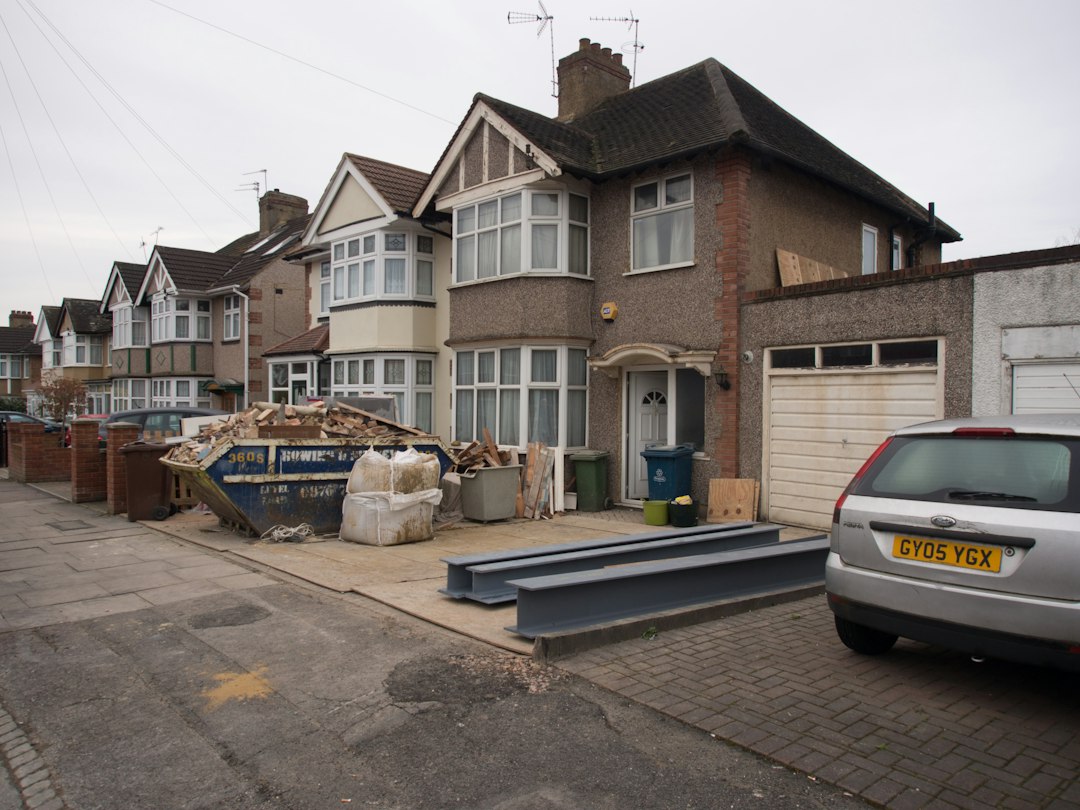
After a house clearance, the property often feels stark and empty. This is where the service steps in to transform the space into a vibrant, functional home again. Restoring a property is a meticulous process that requires a deep understanding of the executor's responsibilities defined in the Executor's Guide to Probate, especially when navigating the legal rights involved in the probate court process.
Our professional clearers work closely with beneficiaries and real estate agents to assess the condition of the property. They create a tailored restoration plan, considering the unique history and character of each home. A 1920s bungalow may require a more period-appropriate renovation than a modern, minimalist dwelling. We offer a range of services from budget planning and affordable repairs to more extensive renovations, ensuring the property meets current market trends and local real estate standards.
our clearance teams recently restored a charming, older home in a popular neighborhood. After the clearance process, we conducted thorough inspections and identified areas needing repair, from replacing rotted flooring to updating outdated electrical systems. We worked with local contractors and community resources to source materials, ensuring a sustainable and cost-effective approach. The property was then transformed into a beautiful, move-in-ready home, showcasing the potential for any property after a thorough clearance and restoration.
Give us a call at deceased person's property removal to discuss your specific needs. We're here to guide you through every step of the process, ensuring the property not only meets your expectations but also complies with the legal requirements of the Executor's Responsibilities as outlined in the Executor's Guide to Probate.
Frequently Asked Questions About Post-Clearance House Restoration
What is post-clearance house restoration? After a property has been vacated, often due to a tenant move-out or foreclosure, it requires a thorough cleaning and repair process. This process, known as post-clearance restoration, involves removing all traces of the previous inhabitants, repairing damage, and restoring the property to a livable condition. It's important for ensuring hygiene, safety, and maximizing resale value or rental potential.
Why is it important to hire professionals for this work? Hiring licensed professionals is vital for several reasons. First, they have the specialized equipment and supplies to tackle deep cleaning and sanitizing effectively. Second, they understand legal and safety regulations, especially when dealing with hazardous materials like mold or lead paint. Third, professionals save time and reduce the emotional burden on homeowners, ensuring the work is done thoroughly and efficiently.
What types of damage typically need attention during this process? Post-clearance restoration often addresses various issues. Common problems include water damage, mold growth, fire or smoke damage, vandalism, and neglect. Old furniture, debris, and personal items left behind require safe removal. Structural repairs, like fixing holes in walls or replacing damaged flooring, are also typical. The scope of work varies based on the property's condition and history.
How long does the restoration process usually take? The timeline depends on the property's size, complexity of issues, and the contractor's capacity. Smaller properties might take a few days, while larger or more severely damaged homes can take weeks. A 2,000 sq. Ft. Home with extensive water damage and mold remediation could take around 3-4 weeks, including drying time for structural elements.
What should homeowners do before hiring a restoration company? Before hiring, homeowners should:
- Obtain estimates from multiple reputable companies.
- Check for certifications and insurance coverage.
- Read online reviews and ask for references.
- Understand the scope of work and proposed timeline.
- Discuss budget and payment terms.
- Ensure clear communication throughout the process.
Can post-clearance restoration increase a home's value? Absolutely. A thorough restoration can significantly enhance a property's value. It removes potential red flags for buyers or renters, such as mold or structural issues. Well-restored properties are more attractive to potential occupants, increasing marketability and demand. A restored historic home can command a premium in the right market.
As the final piece of the post-clearance puzzle, restoring a property from an empty shell to a vibrant space is a critical step. This process involves careful planning, efficient execution, and a deep understanding of local market trends. The service has honed these skills over years of experience, practicing restoration alongside their core expertise in clearance. By leveraging community resources and recycling centers, they minimize environmental impact while maximizing the value of recovered materials.
a recent project involved a historic home that required not just clearance but also meticulous restoration to respect its architectural significance. The service's professional clearers worked in tandem with local artisans and real estate agents to ensure the property's unique character was preserved. This complete approach not only meets the needs of beneficiaries and personal representatives but also aligns with the service's commitment to ethical and affordable practices.
The key takeaways are clear: planning and preparation set the stage for successful restoration, efficient execution ensures timely results, and a focus on community impact and environmental considerations raises the service's value. By choosing a provider with a proven track record like the service, clients can trust their property will be restored to its full potential, ready to serve new generations.
The service handles the complex aftermath of house clearance, ensuring legal compliance and ethical practices. This involves understanding probate laws, eco-friendly disposal, and efficient estate sales. By combining legal expertise, strategic planning, and community partnerships, the service streamlines the process, respecting the late owner's wishes and benefiting beneficiaries. The average estate clearance takes 2-4 weeks, and specialized teams handle sensitive cases like those involving hoarders. Restoration services transform cleared properties, adhering to Executor's Guide to Probate guidelines and local standards.